
If your room feels tight, messy, or hard to manage, it’s not the room that’s the problem. It’s usually the setup. With the right small room setup ideas, even a very compact space can feel open, organized, and genuinely comfortable to live in.
Let’s go deeper than basic tips and actually build a practical understanding of how to design a small room that works in real life.
1. Start by Understanding Your Room’s Purpose
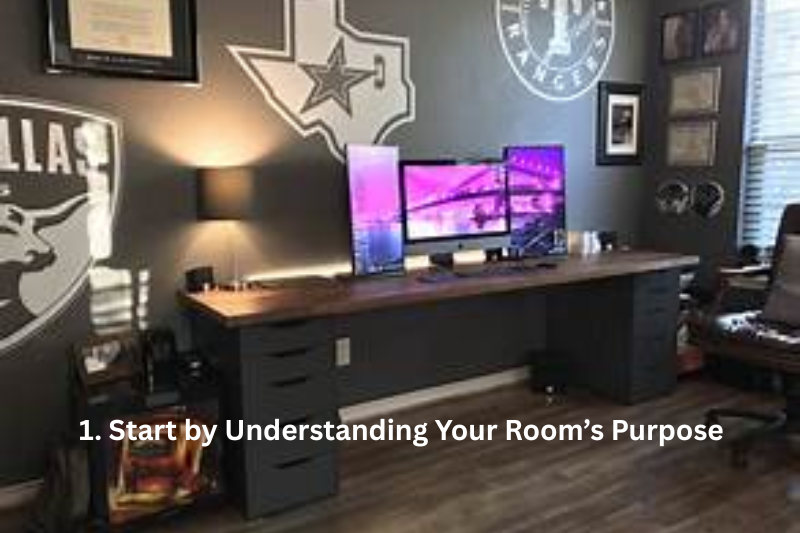
Before you move anything, think about how your room is actually used on a daily basis.
Most small rooms serve multiple roles:
- Sleeping area
- Study or work space
- Storage space
- Sometimes even a relaxation or entertainment zone
A mistake many people make is treating all of these equally without prioritizing. In reality, every room has a “main function.”
For example:
- If you’re a student, your study setup matters most
- If you work remotely, your desk setup becomes priority
- If you mostly rest, comfort and bed arrangement matter most
Good small room setup ideas always begin by defining this priority.
2. Furniture Selection: Less but Smarter
In small spaces, furniture is everything. One wrong choice can make the room feel cramped.
Instead of filling the room, focus on multi-purpose furniture:
Smart options include:
- Bed with built-in drawers or storage underneath
- Wall-mounted folding desk
- Compact wardrobe with sliding doors
- Sofa bed for dual use
- Nesting tables instead of large side tables
Furniture from brands like IKEA or Muji is often designed specifically for compact living and minimal layouts.
The rule is simple: every item should solve at least two problems.
3. Layout Planning: Where Everything Goes Matters
Even good furniture will fail if the layout is wrong.
A smart small room layout follows these principles:
- Keep walking paths clear
- Avoid placing large furniture near the door
- Place bed against a solid wall for stability
- Keep desk near natural light if possible
- Don’t block windows with bulky items
Think of your room like a flow system. If movement feels blocked, the room automatically feels smaller
4. Vertical Space is Your Hidden Advantage
One of the most powerful small room setup ideas is using vertical space properly.
Instead of spreading things across the floor, build upward:
Use:
- Wall shelves above desk or bed
- Tall wardrobes instead of wide ones
- Hanging organizers for accessories
- Hooks for bags, coats, headphones
- Pegboards for flexible storage
When you free up floor space, your room instantly feels larger and cleaner.
5. Smart Storage: The Key to a Clean Room
Clutter is the biggest enemy of small spaces.
Even a beautifully designed room will feel messy if storage is not planned.
Effective storage solutions:
- Under-bed storage boxes
- Vacuum bags for seasonal clothes
- Drawer dividers for small items
- Clear bins for visibility
- Over-the-door organizers
The goal is simple: everything should have a “fixed place.” If items don’t have a home, they end up creating visual chaos.
6. Lighting: The Secret to a Bigger-Looking Room
Lighting can completely change how a room feels.
Best lighting setup:
- Warm white LED lights for comfort
- Desk lamp for focused work
- Soft strip lights for ambience
- Natural light during daytime
- Mirror placement to reflect light
A well-lit room feels more open, even if the size doesn’t change.
Poor lighting, on the other hand, makes even a big room feel smaller and more closed in.
7. Color Psychology: Keep It Light and Airy
Colors influence how spacious your room feels.
Best choices:
- White
- Light grey
- Beige
- Soft pastels
These shades reflect light and visually expand the space.
Darker colors can still be used, but only as accents:
- Cushion covers
- Wall frames
- Small decor pieces
This balance is one of the most effective small room setup ideas for modern interiors.
8. Minimal Decor with Personal Touch
Decor is important, but in small rooms, less is more.
Instead of filling every corner:
- Use one statement wall art piece
- Add a small indoor plant
- Keep desk clean and simple
- Use mirrors to create depth
A cluttered decor setup can make even a well-organized room feel crowded.
9. Common Mistakes to Avoid
Many people unintentionally make their rooms worse while trying to improve them.
Avoid these mistakes:
- Oversized furniture that blocks space
- Too many decorative items
- Ignoring wall storage
- Blocking windows with curtains or furniture
- Keeping unnecessary items “just in case”
Fixing even one of these can noticeably improve your room.
Benefits of Small Room Setup Ideas
Applying smart small room setup ideas brings several real advantages:
1. Better Use of Space
Every corner becomes useful instead of wasted.
2. Less Stress and Mental Clutter
A clean environment reduces visual overload and helps you focus better.
3. Easier Cleaning and Maintenance
Less mess means faster cleaning and less effort overall.
4. Cost-Effective Setup
You don’t need expensive furniture, just smarter choices.
5. More Functional Living
Your room starts working for multiple needs without feeling chaotic.
You may also like to read these posts:
Drawbacks of Small Room Setup Ideas
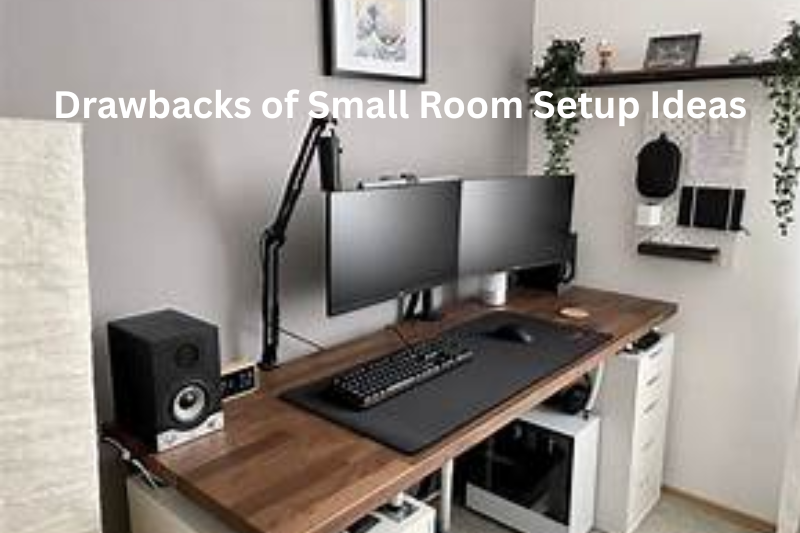
Even though small room designs are practical, there are a few limitations:
1. Limited Storage Capacity
No matter how well you design it, space is still limited.
2. Less Flexibility in Furniture Placement
You can’t freely rearrange things like in a large room.
3. Risk of Over-Optimization
Trying to over-organize can sometimes make the room feel rigid or too “planned.”
4. Requires Regular Maintenance
Small spaces need consistent decluttering to stay effective.
Final Thoughts
A small room is not a disadvantage if you design it properly. In fact, it can become one of the most efficient and comfortable spaces you have.
The best small room setup ideas are not about filling space, but about using it wisely. Once you focus on function, storage, lighting, and simplicity, even the smallest room can feel open, modern, and easy to live in.
FAQs – Small Room Setup Ideas
1. What are the best small room setup ideas for beginners?
Start simple. Focus on essential furniture only, use light colors, and keep your layout open. Avoid filling the room too quickly. Begin with a bed, a small desk, and smart storage, then build slowly.
2. How can I make a small room look bigger?
Use light wall colors, keep furniture minimal, and let natural light in. Mirrors also help reflect light and create a sense of depth, making the room feel more open than it actually is.
3. What type of furniture is best for small rooms?
Multi-functional furniture works best. Beds with storage, foldable desks, wall-mounted shelves, and compact wardrobes are ideal because they save space and serve more than one purpose.
4. How do I reduce clutter in a small room?
Give every item a fixed place. Use storage boxes, drawer organizers, and under-bed storage. Regularly remove things you don’t use to keep the space clean and manageable.
5. Are dark colors bad for small rooms?
Not necessarily. Dark colors can be used, but only as accents. If used on all walls, they can make the room feel smaller. Light shades are better for creating an open feel.