
Your living room is basically the heart of your home. It’s where you relax, host guests, spend time with family, and sometimes even work or eat. That’s why a proper living room setup guide is not just about decoration, it’s about creating comfort, flow, and functionality in one space.
Let’s go deeper and build it step by step in a realistic way.
1. Start With Function First, Not Furniture
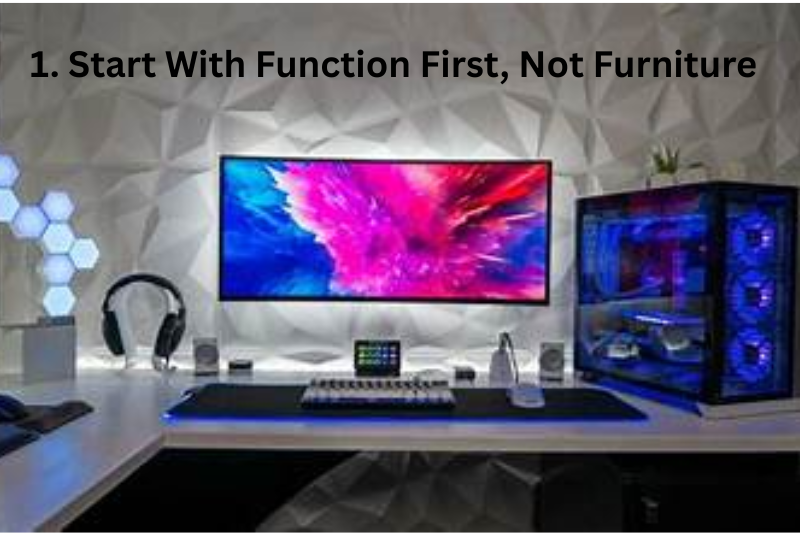
Before you think about sofas or decor, think about how you actually live in the space.
A strong living room setup guide always starts with purpose:
- Is it mainly for TV and relaxation?
- Is it a social space for guests?
- Is it a multi-purpose room (work + lounge + entertainment)?
- Is it a family-heavy space with kids?
This decision affects everything: layout, furniture size, lighting, and even colors.
For example:
- TV-focused room → seating faces one wall
- Social room → seating faces inward in a circle
- Multi-use room → divided zones
2. Measure Everything Properly
One of the biggest mistakes people make is buying furniture first.
Instead:
- Measure room length and width
- Mark doors, windows, and walkways
- Identify power outlets (for TV, lamps, chargers)
- Note natural light sources
This step saves you from overcrowding or awkward gaps.
A professional living room setup guide always recommends keeping clear walking paths of at least 2–3 feet.
3. Create a Clear Focal Point
Every living room needs something your eyes naturally go to.
Common focal points:
- TV wall
- Large window view
- Fireplace
- Feature wall (paint, panel, or art)
Once you decide this, everything else supports it.
For example:
If your TV is the focal point, your sofa must align with it, not sit at random angles.
4. Sofa Placement Strategy (The Core of the Room)
The sofa is the most important piece in your living room setup guide because it defines the layout.
Here are practical approaches:
Small Rooms:
- Place sofa against the wall
- Keep space open in the center
Medium Rooms:
- Use L-shaped or sectional sofa
- Balance between wall and floating placement
Large Rooms:
- Float sofa in center
- Create separate zones (TV + conversation area)
Avoid pushing all furniture against walls. It makes the room feel empty and disconnected.
5. Seating Balance and Comfort
A good living room is never “sofa only.”
Add variety:
- Armchairs for flexibility
- Poufs for casual seating
- Ottomans (also storage-friendly)
- Small benches
This creates a conversational setup where people can actually interact, not just sit in a line.
6. Lighting Layers (Very Important)
Lighting can completely change your room mood.
A proper living room setup guide uses 3 layers:
1. General lighting
- Ceiling lights or LED panels
- Covers full brightness
2. Task lighting
- Reading lamps
- Desk or corner lights
3. Ambient lighting
- Floor lamps
- Warm table lamps
- Hidden LED strips
Mixing these gives a warm, modern, and flexible feel.
7. Coffee Table and Center Space
The coffee table is both functional and visual.
Rules:
- Keep 16–18 inches distance from sofa
- Choose shape based on room size
- Round → small rooms
- Rectangle → larger rooms
- Avoid clutter
Add simple decor like:
- Tray
- Candle
- Small plant
- Books
8. Rugs to Tie Everything Together
A rug is like a visual glue.
In any living room setup guide, rugs help:
- Define seating area
- Add warmth
- Make furniture feel connected
Correct sizing matters:
- Front legs of sofa should sit on rug
- Too small rug = disconnected look
9. Wall Styling That Feels Natural
Walls should not be empty, but also not overcrowded.
Options:
- Framed art
- Minimal shelves
- Mirror (best for small spaces)
- Gallery wall (balanced layout)
A mirror especially helps reflect light and makes the room feel bigger.
10. Smart Storage Solutions
Clutter kills good design.
Use:
- TV units with drawers
- Hidden storage ottomans
- Wall-mounted shelves
- Decorative baskets
A clean room always feels more expensive and relaxing.
11. Add Plants for Life and Freshness
Plants instantly improve mood and air quality.
Best choices:
- Snake plant (low maintenance)
- Money plant (easy growth)
- Peace lily (soft aesthetic)
- Small palms (decorative)
Place them in corners or near windows.
12. Color Balance and Texture
A balanced living room setup guide also considers color.
Try:
- Neutral base (white, beige, grey)
- 1–2 accent colors (cushions, rugs, art)
- Mix textures (wood, fabric, metal)
Too many colors make the room chaotic.
Benefits of a Well-Planned Living Room Setup
A properly designed living room gives you real, daily advantages:
1. Better Comfort
You feel more relaxed because everything is arranged logically and comfortably.
2. Improved Space Use
Even small rooms feel larger when furniture is placed correctly.
3. Better Social Experience
Guests feel more welcome in a balanced seating arrangement.
4. Less Clutter Stress
Proper storage and layout reduce visual mess.
5. More Functional Living
You can easily switch between relaxing, working, and entertaining.
6. Aesthetic Appeal
Your home simply looks more modern and organized.
You may also like to read these posts:
Drawbacks (Realistic Challenges You Should Know)
Even a perfect living room setup guide has some limitations:
1. Time-Consuming Setup
Planning, measuring, and adjusting takes time.
2. Budget Constraints
Good furniture and decor can be expensive if starting from scratch.
3. Limited Space Issues
Small rooms restrict layout flexibility.
4. Frequent Adjustments Needed
You may need to rearrange multiple times to get the perfect flow.
5. Over-Decoration Risk
Many people add too many items and lose simplicity.
Final Thoughts
A good living room setup guide is not about copying Pinterest or showroom designs. It’s about understanding your space and shaping it around your real life.
When you balance function, comfort, lighting, and simplicity, your living room naturally becomes a place where you actually want to spend time, not just a room you pass through.
FAQs – Living Room Setup Guide
1. What is the first step in a living room setup guide?
The first step is understanding how you use the space. Whether it’s for TV, guests, family time, or work, your purpose decides the layout, furniture, and overall design.
2. How do I make a small living room look bigger?
Use light colors, avoid bulky furniture, add mirrors, and keep the layout simple. Also, leave open walking space instead of filling every corner.
3. What is the best sofa placement for a living room?
It depends on the room size. In small rooms, place the sofa against a wall. In larger rooms, float it in the center or use an L-shaped layout facing the focal point.
4. How important is lighting in a living room setup?
Very important. Good lighting creates mood and depth. A mix of ceiling lights, lamps, and ambient lighting makes the room feel warm and balanced.
5. What is the ideal distance between sofa and coffee table?
The ideal distance is around 16–18 inches. This allows easy movement while keeping the table accessible.