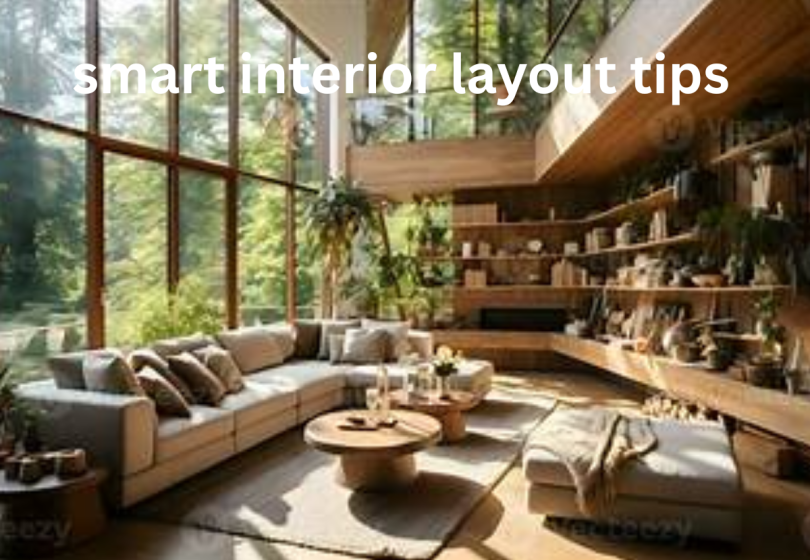

If you’ve ever felt that your room looks fine but still doesn’t feel comfortable, the problem is usually not decoration. It’s layout. Furniture placement affects how you move, how you relax, and even how you think in a space.
That’s where smart interior layout tips really make a difference. They help you design a room that feels open, functional, and balanced without needing expensive renovations or new furniture.
Let’s go deeper and understand how to actually plan a space properly, like someone who designs homes for real daily living, not just photos.
Start with lifestyle, not furniture
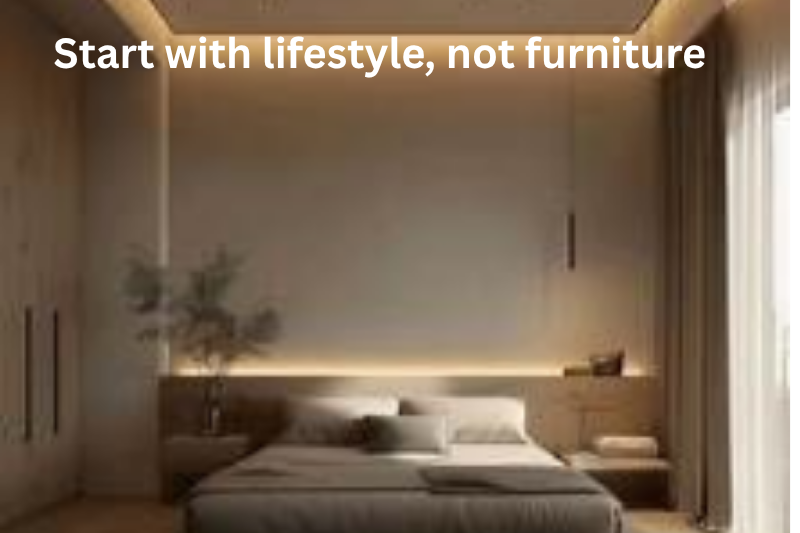
Before moving anything around, pause and think about how the room is actually used.
Ask yourself:
- Where do I spend most of my time in this room?
- What activities happen here daily?
- What feels annoying or inconvenient right now?
One of the most practical smart interior layout tips is to design around behavior, not appearance.
For example:
- If you scroll your phone in bed often, keep a side table within reach.
- If you study or work, make sure that corner is not facing distractions like TV or high-traffic areas.
- If it’s a living room, arrange seating so conversation feels natural, not forced.
When layout follows life, comfort increases automatically.
Create a strong focal point first
Every room needs a visual anchor. Without it, furniture feels randomly placed.
Common focal points:
- Bedroom: bed headboard wall
- Living room: sofa or TV wall
- Dining area: dining table
This is one of the most effective smart interior layout tips because it gives structure to the entire room.
Once the focal point is fixed, everything else should support it, not compete with it. For example, chairs should complement the sofa arrangement, not fight for attention.
Plan movement like a pathway system
A room is not just a static setup. You move through it every day.
So think in terms of walking routes:
- Entry to seating area
- Seating to storage
- Bed to bathroom or exit
A key smart interior layout tips rule is: never block natural walking paths with furniture edges or corners.
Even in small rooms, leave enough space so movement feels smooth. If you ever feel like you’re squeezing through furniture, the layout needs adjustment.
Don’t push everything against walls
This is one of the most common mistakes people make.
Yes, pushing furniture to the walls feels like it creates space, but it often makes rooms feel empty in the middle and visually flat.
A better approach:
- Pull sofa slightly forward
- Create grouped seating areas
- Let furniture “float” in zones
This is one of those smart interior layout tips used in modern interior design because it creates depth and balance.
Even a small gap behind furniture can change the entire feel of a room.
Divide the room into functional zones
If a room has multiple uses, treat it like separate mini-spaces.
For example in a bedroom:
- Sleeping zone (bed)
- Working zone (desk)
- Storage zone (wardrobe)
In a studio apartment:
- Living zone
- Dining zone
- Work zone
This zoning method is one of the most powerful smart interior layout tips because it reduces mental clutter. Your brain starts associating areas with specific tasks, making the space feel more organized and calm.
You can separate zones using:
- Rugs
- Lighting
- Furniture direction
- Small partitions or shelves
Use light as a layout guide
Lighting is not just decoration; it’s a planning tool.
Natural light should guide your layout decisions:
- Don’t block windows with large furniture
- Place work or reading areas near daylight
- Keep reflective surfaces where light can bounce
At night, use layered lighting:
- Ceiling light for full coverage
- Lamps for focus areas
- Warm lights for relaxation
One of the smartest smart interior layout tips is to design furniture placement around light direction, not against it.
Choose furniture size carefully
A very common mistake is using furniture that is too large for the room.
Even if a sofa or bed looks great in a showroom, it may overpower your space.
Good layout rule:
Leave breathing space around every major piece of furniture.
Small rooms often look better with:
- Compact sofas
- Slim tables
- Wall-mounted storage
This is one of the most important smart interior layout tips because it directly affects how spacious your room feels.
Use mirrors to create depth
Mirrors are one of the simplest design tricks that have a big impact.
They help:
- Reflect light
- Create illusion of space
- Make small rooms feel larger
Place mirrors opposite windows or open areas for maximum effect.
This is a classic smart interior layout tips technique used in both small apartments and luxury interiors.
Think vertically, not just horizontally
Most people only use floor space. Walls often stay underused.
You can improve layout by:
- Adding wall shelves
- Using tall cabinets
- Hanging storage units
- Mounting lights instead of using floor lamps
This helps free up floor space and improves movement flow.
Vertical thinking is one of the most underrated smart interior layout tips for small homes.
Leave empty space intentionally
Not every corner needs to be filled.
Empty space helps:
- Improve visual clarity
- Reduce clutter feeling
- Make furniture stand out better
A well-designed room always has balance between filled and open areas.
One of the most advanced smart interior layout tips is understanding that “less but better placed” often looks more premium than “everything filled.”
Benefits of smart interior layout tips
Using smart layout planning has many real advantages:
1. Better use of space
Even small rooms start feeling larger and more organized.
2. Improved comfort
Movement becomes easy, and daily tasks feel smoother.
3. Reduced clutter feeling
A good layout naturally makes a space feel cleaner.
4. Better functionality
Every corner has a purpose instead of random placement.
5. Enhanced aesthetics without spending more
You don’t need new furniture; just better arrangement.
6. Better mood and mental clarity
A well-organized room reduces stress and improves focus.
You may also like to read these posts:
Drawbacks of smart interior layout planning
Even though it’s very useful, there are a few limitations:
1. Requires time and thinking
You can’t just randomly place furniture; planning is needed.
2. Trial and error is common
Sometimes you have to move things multiple times before it feels right.
3. Limited flexibility in small rooms
Very small spaces may restrict layout options.
4. Existing furniture limitations
If furniture is too large or mismatched, layout optimization becomes harder.
5. Needs consistency
A good layout can be ruined if things are frequently moved or cluttered again.
Final thoughts
At the end of the day, smart interior layout tips are not about making a room look expensive. They are about making it work better for your real life.
If your space feels stressful, crowded, or confusing, the solution is usually not buying more things. It’s arranging what you already have in a more thoughtful way.
FAQs on Smart Interior Layout Tips
1. What are smart interior layout tips?
They are simple design strategies used to arrange furniture and space in a way that improves comfort, movement, and overall functionality of a room.
2. Why is interior layout more important than decoration?
Because layout decides how you move and live in a space. Even a well-decorated room can feel uncomfortable if the furniture is poorly placed.
3. How can I make a small room look bigger using layout?
You can:
Avoid overcrowding furniture
Use light colors and mirrors
Keep walking paths open
Choose compact furniture
4. Should I always push furniture against the wall?
No. Leaving small gaps or “floating” furniture slightly can make the room feel more balanced and modern.
5. What is the biggest mistake in interior layout?
The most common mistake is placing furniture without considering movement flow, which makes the space feel cramped and inconvenient.