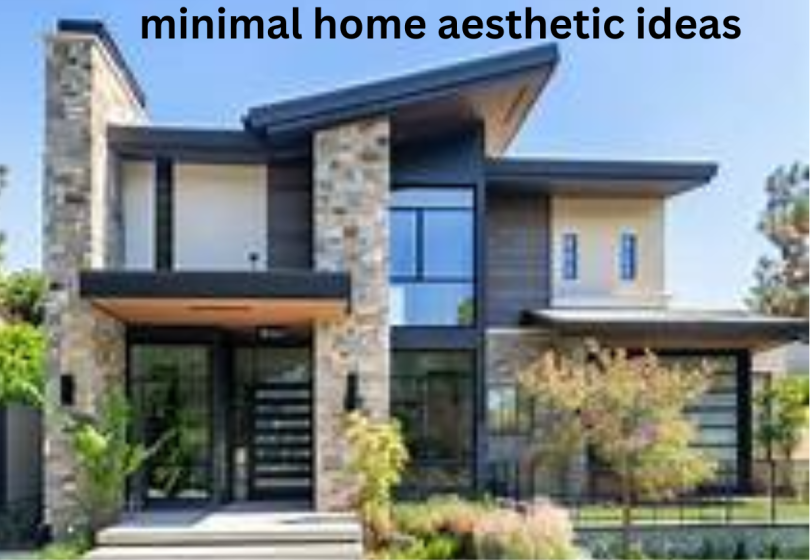

Minimal home aesthetic ideas are not just a design trend anymore. They’ve become a lifestyle choice for people who want less stress, more clarity, and a home that actually feels easy to live in. The idea is simple: remove the unnecessary, keep what matters, and design a space that feels open, calm, and intentional.
But there’s more to it than just “white walls and fewer things.” Let’s go deeper into how minimal design really works, what benefits it brings, and where it might not be the perfect fit for everyone.
Understanding Minimal Home Aesthetic Ideas
At its core, minimal home aesthetic ideas are about simplicity with purpose. Every item in your home should either serve a function or add real emotional or visual value.
It doesn’t mean your home should feel empty. Instead, it should feel “light.” There’s a big difference.
A minimal home usually focuses on:
- Clean lines and simple furniture
- Neutral and calming color palettes
- Open, breathable spaces
- Reduced visual clutter
- Intentional decoration instead of random filling
When done right, the home starts to feel peaceful without you even trying.
Visual Foundation: Colors and Space
The first step in minimal home aesthetic ideas is setting the visual tone. This is where most of the transformation happens.
Neutral tones are the backbone:
- White and off-white
- Beige and sand
- Soft grey
- Warm earthy tones
These colors help reflect natural light and make rooms feel bigger and more open.
Furniture: Simple, Functional, and Intentional
Furniture in a minimal home should never feel overwhelming.
Instead, it should be:
- Simple in shape (no heavy carvings or complex patterns)
- Functional (storage-friendly whenever possible)
- Visually light (thin legs, open bases, clean silhouettes)
A good example is a simple beige sofa paired with a wooden coffee table. Nothing extra, but still stylish.
The goal is not to have less furniture, but to have better furniture choices.
Decor: Less Quantity, More Meaning
One of the most important parts of minimal home aesthetic ideas is how you handle decoration.
Instead of filling shelves and tables with many small items, you focus on fewer but meaningful pieces:
- A framed photo you actually like
- A ceramic vase with a simple plant
- A book you enjoy
- A single art piece that stands out
Bedroom: A Calm Personal Retreat
Your bedroom should feel like a reset space, not a storage zone.
Key ideas for a minimal bedroom:
- Keep bedding simple (linen or cotton works best)
- Use warm, soft lighting instead of harsh lights
- Limit decor to one or two items
- Keep bedside tables clean and functional
A clutter-free bedroom improves sleep quality and mental relaxation more than most people realize.
Kitchen: Organized and Efficient
Kitchens are often the hardest place to stay minimal because they collect so many items.
But minimal home aesthetic ideas in kitchens focus on control and organization.
Practical steps:
- Keep countertops mostly clear
- Store appliances out of sight when not in use
- Use matching jars or containers
- Stick to a consistent color theme
Benefits of Minimal Home Aesthetic Ideas
Now let’s talk about why people love this style so much.
1. Less Stress, More Calm
A clutter-free environment reduces visual noise. This helps your brain relax naturally.
2. Easier Cleaning and Maintenance
Fewer objects mean less dust, less cleaning time, and less effort overall.
3. Better Focus
A clean environment makes it easier to concentrate, especially if you work or study at home.
4. More Space (Visually and Physically)
Even small rooms feel bigger when they are not overloaded with furniture or decor.
5. Timeless Style
Minimal design doesn’t go out of fashion quickly because it relies on simplicity, not trends.
You may also like to read these posts:
Drawbacks of Minimal Home Aesthetic Ideas
Even though minimalism has many benefits, it’s not perfect for everyone.
1. Can Feel Too Plain
If not done carefully, a minimal home can feel cold or empty instead of warm and inviting.
2. Requires Discipline
Keeping things minimal is not a one-time effort. You constantly need to avoid clutter buildup.
3. Not Ideal for Collectors
If you love collecting books, art, souvenirs, or decor, minimalism may feel limiting.
4. Can Be Expensive at First
High-quality minimal furniture often costs more because you buy fewer items but better ones.
5. Emotional Attachment to Things
Letting go of items with sentimental value can be difficult for some people.
Finding the Right Balance
The truth is, you don’t need to be extreme with minimal home aesthetic ideas. You can always mix minimalism with comfort.
For example:
- Keep a clean base but add a few warm textures
- Use neutral colors but include a personal artwork wall
- Keep furniture simple but make it cozy with soft fabrics
Minimalism works best when it feels natural, not forced.
Final Thoughts
Minimal home aesthetic ideas are really about designing a life that feels lighter, not just a home that looks better.
When you remove unnecessary clutter, you’re not just changing your space. You’re changing how your mind responds to that space.
Frequently Asked Questions (FAQs) on Minimal Home Aesthetic Ideas
1. What are minimal home aesthetic ideas?
Minimal home aesthetic ideas focus on creating a clean, simple, and clutter-free living space using fewer but more meaningful items. The goal is to make your home feel calm, organized, and visually balanced without unnecessary decoration.
2. Is minimalism only about having white walls and empty rooms?
No. That’s a common misunderstanding. Minimal design is not about making your home empty. It’s about keeping only what you need or truly value while maintaining a soft, balanced look using colors, textures, and light.
3. Can a minimal home still feel cozy?
Yes, absolutely. A minimal home can feel very cozy when you use warm lighting, soft fabrics, natural textures like wood or linen, and a few carefully chosen decor pieces.
4. Is minimal home design expensive?
It depends. Starting from scratch can feel expensive because quality minimal furniture often costs more. But in the long run, it can save money because you buy fewer items and avoid unnecessary decoration or clutter.
5. What colors work best for a minimal home aesthetic?
Neutral and soft tones work best, such as:
White and off-white
Beige and cream
Light grey
Soft earthy tone