
If you’ve ever looked at a clean, peaceful room online and thought, “I wish my room looked like that,” then you’re probably already interested in minimal room styling.
Minimal room styling has become one of the most popular interior design trends in recent years, and honestly, it’s easy to understand why. In today’s busy world, people want homes that feel relaxing instead of overwhelming. A minimalist room creates exactly that kind of environment.
But here’s the interesting thing — minimal room styling is not just about making a room look pretty. It’s about creating a lifestyle that feels simpler, more organized, and more peaceful.
In this detailed guide, we’ll cover:
- What minimal room styling actually means
- Why it’s becoming so popular
- How to style your room minimally
- The biggest benefits of minimalist design
- The possible drawbacks you should know
- Tips to create a cozy minimalist space without making it feel empty
Let’s get started.
What Is Minimal Room Styling?
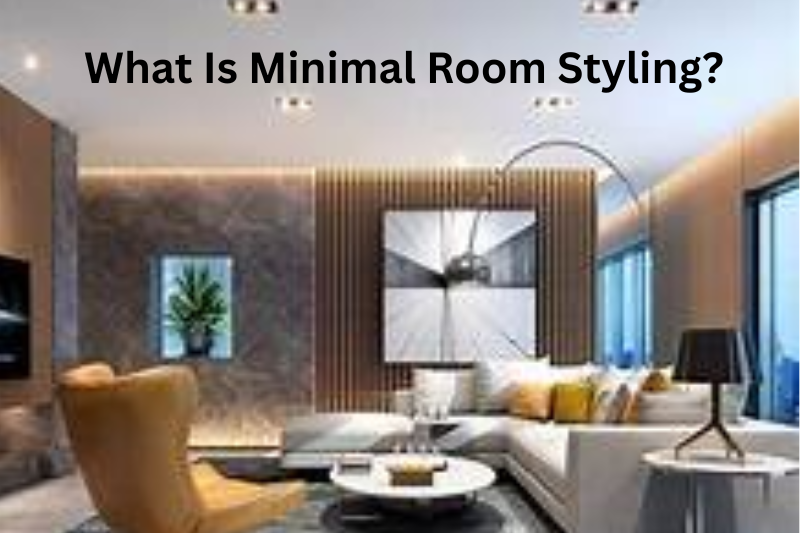
Minimal room styling is a design approach that focuses on simplicity, functionality, and clean aesthetics. Instead of overcrowding a room with furniture and decorations, minimalism encourages you to keep only the things you truly need or love.
The idea behind minimal room styling is simple:
- Less clutter
- More space
- Better organization
- Calm surroundings
- Functional furniture
- Intentional decoration
Minimalism doesn’t mean your room has to look cold, plain, or boring. A well-designed minimalist room can feel warm, stylish, luxurious, and extremely comfortable.
Think of it this way:
Minimalism is about making room for what matters most.
Why Minimal Room Styling Is So Popular
People are becoming more attracted to minimalist interiors because modern life already feels stressful and chaotic. When your room is crowded with unnecessary items, your mind can feel overwhelmed too.
A minimalist room creates a peaceful environment where you can relax, focus, and recharge.
Social media has also played a huge role in the popularity of minimal room styling. Platforms like Instagram and Pinterest are filled with clean and aesthetically pleasing minimalist bedrooms and living spaces.
But beyond the visuals, many people stay committed to minimalism because of the lifestyle benefits it brings.
The Core Principles of Minimal Room Styling
Before you start redesigning your room, it’s important to understand the basic principles behind minimalist interiors.
1. Simplicity
Minimal rooms avoid unnecessary complexity. Furniture, colors, and décor are usually simple and clean.
2. Functionality
Every item in the room should serve a purpose. Instead of decorative clutter, minimalist spaces prioritize useful and practical items.
3. Open Space
Minimal room styling creates breathing room. Empty space is not considered “wasted space” — it actually helps the room feel larger and calmer.
4. Neutral Color Palettes
Most minimalist rooms use soft and neutral shades like:
- White
- Beige
- Gray
- Cream
- Soft brown
- Earth tones
These colors create a relaxing atmosphere.
5. Quality Over Quantity
Instead of buying many cheap items, minimalism focuses on investing in fewer but better-quality pieces.
How to Create a Minimalist Room
Now let’s talk about the practical side of minimal room styling.
Step 1: Declutter Your Space
This is the most important step.
Take a serious look at everything in your room and ask yourself:
- Do I use this regularly?
- Does this add value to my life?
- Is this item making my room feel crowded?
You’ll probably realize you own many things you don’t actually need.
Create three categories:
- Keep
- Donate
- Remove
Decluttering instantly makes a room feel lighter and more spacious.
Step 2: Choose a Neutral Color Scheme
Color plays a major role in minimal room styling.
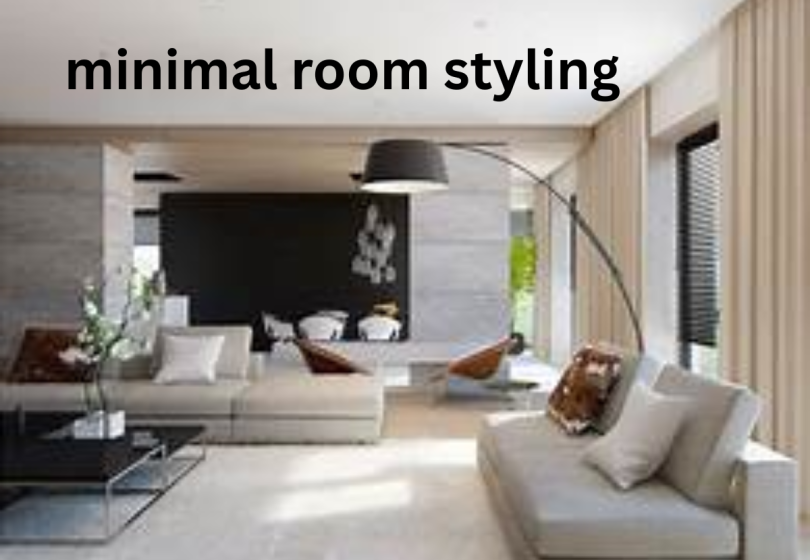
Light and neutral colors help reflect light and make rooms feel larger and calmer. White walls are common in minimalist interiors because they create a clean background for furniture and décor.
However, minimalism does not mean everything has to be pure white.
You can combine neutral shades like:
- Beige and white
- Gray and wood tones
- Cream and soft brown
- Black accents with light walls
The key is maintaining visual balance.
Step 3: Use Simple Furniture
Minimalist furniture usually has:
- Clean lines
- Simple shapes
- Functional designs
- Neutral colors
Avoid oversized furniture that dominates the room.
Instead, choose practical pieces like:
- Beds with storage
- Floating shelves
- Compact desks
- Multi-purpose furniture
- Minimal wardrobes
Furniture should make your life easier, not create more clutter.
Step 4: Focus on Natural Light
Lighting can completely transform a room.
Natural light makes minimalist spaces feel:
- Fresh
- Open
- Peaceful
- Warm
If possible, allow sunlight to enter freely by using:
- Sheer curtains
- Light blinds
- Open window spaces
For nighttime lighting, warm white lights work best because they create a cozy atmosphere.
Step 5: Keep Decorations Minimal
One common misconception is that minimalist rooms have no personality.
That’s not true at all.
You can still decorate your room beautifully — just be intentional about it.
Some great minimalist décor ideas include:
- One large artwork
- Indoor plants
- Wooden accents
- Simple mirrors
- Neutral bedding
- Textured rugs
- Small ceramic pieces
Instead of filling every corner, let each decoration stand out naturally.
Benefits of Minimal Room Styling
Minimal room styling offers many advantages beyond appearance.
1. Reduces Stress and Anxiety
A cluttered room often creates mental stress. Too many visual distractions can make it difficult to relax.
Minimalist spaces feel calm because they remove unnecessary chaos.
Many people report feeling more peaceful and emotionally balanced after simplifying their rooms.
2. Easier to Clean and Maintain
One of the best practical benefits of minimal room styling is easier cleaning.
With fewer items:
- Dusting becomes easier
- Organizing takes less time
- Floors stay cleaner
- Laundry feels more manageable
A minimalist room can save you hours of cleaning every month.
3. Makes Small Rooms Feel Bigger
Minimalism is perfect for small bedrooms or apartments.
Because minimalist rooms use:
- Light colors
- Open layouts
- Limited furniture
- Better organization
The space automatically feels larger and less cramped.
4. Saves Money
Minimalism encourages mindful spending.
Instead of constantly buying unnecessary decorations or furniture, you become more selective about what you purchase.
Over time, this can help you save a significant amount of money.
5. Improves Focus and Productivity
A clean environment can improve concentration.
That’s why many students and remote workers prefer minimalist workspaces. Less visual clutter helps the brain focus better.
6. Creates a Timeless Look
Minimal room styling rarely goes out of fashion.
Unlike trendy interiors that quickly become outdated, minimalist rooms maintain a modern and elegant appearance for years.
You may also like to read these posta:
Drawbacks of Minimal Room Styling
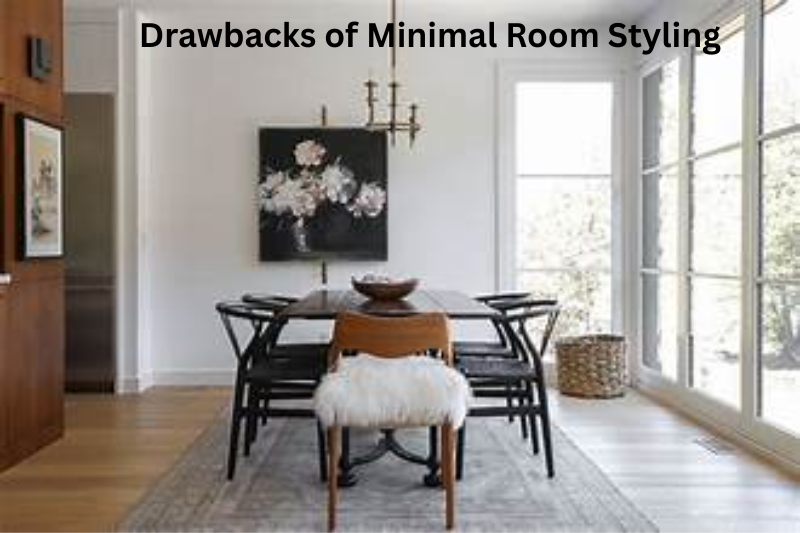
Even though minimalism has many advantages, it’s not perfect for everyone.
Here are some possible drawbacks.
1. Can Feel Too Empty
If not done correctly, a minimalist room can feel cold, plain, or lifeless.
Some people remove too many personal items and accidentally create a space that lacks warmth and personality.
That’s why balance is important.
2. Requires Discipline
Minimalism works best when you consistently avoid clutter.
This means:
- Regular organizing
- Mindful shopping
- Avoiding impulse purchases
For some people, maintaining a minimalist lifestyle can be challenging.
3. Quality Furniture Can Be Expensive
Minimalist interiors often focus on high-quality furniture.
While you may buy fewer items overall, good-quality minimalist furniture can sometimes cost more upfront.
4. Not Ideal for Everyone’s Personality
Some people genuinely enjoy colorful, decorative, and highly personalized spaces.
Minimal room styling may feel too restrictive for individuals who love collecting decorations or displaying many sentimental items.
How to Make a Minimalist Room Feel Cozy
One of the biggest concerns people have is:
“How do I make minimalism feel warm instead of empty?”
The answer is texture.
Add cozy elements like:
- Soft blankets
- Layered bedding
- Warm lighting
- Wooden furniture
- Linen curtains
- Indoor plants
- Neutral textured rugs
These details make the room feel comfortable while still maintaining a minimalist look.
Minimal Room Styling for Different Spaces
Minimalist Bedroom
Keep only essential furniture:
- Bed
- Nightstand
- Small wardrobe
- Simple lighting
Use soft bedding and calm colors for a relaxing atmosphere.
Minimalist Living Room
Focus on:
- Comfortable seating
- Open floor space
- Simple décor
- Hidden storage
Avoid overcrowding shelves or tables.
Minimalist Home Office
A minimalist office improves productivity.
Keep your desk clean and organized with:
- A laptop or computer
- Good lighting
- Limited accessories
- Organized cables
Final Thoughts on Minimal Room Styling
Minimal room styling is more than just an interior design trend. It’s a way of creating a peaceful and intentional living environment.
The beauty of minimalism is that it helps you focus on what truly matters while removing unnecessary distractions from your life.
Of course, minimalism is not about perfection. You don’t need an expensive designer home or a completely empty room to enjoy the benefits.
Start small.
Declutter one corner.
Choose simple furniture.
Use calming colors.
Keep only the things that genuinely make your space better.
FAQs About Minimal Room Styling
What is minimal room styling?
Minimal room styling is a design approach that focuses on simplicity, clean layouts, functional furniture, and clutter-free spaces. The goal is to create a calm and organized environment using fewer decorative items and neutral colors.
Why is minimal room styling so popular?
Minimal room styling is popular because it creates peaceful and visually clean spaces. Many people prefer minimalist interiors because they reduce stress, improve organization, and make rooms feel larger and more relaxing.
How can I start minimal room styling in my bedroom?
You can start by decluttering your room and removing unnecessary items. Then choose simple furniture, use neutral colors, add smart storage solutions, and keep decorations minimal and intentional.
Which colors work best for minimal room styling?
Neutral colors work best for minimal room styling. Popular choices include:
White
Beige
Gray
Cream
Soft brown
Earth tones
Is minimal room styling expensive?
Not necessarily. Minimal room styling can actually save money because it encourages buying fewer but more meaningful items. You do not need expensive furniture to create a minimalist space.
Can minimal room styling work in small rooms?
Yes, minimal room styling works extremely well in small rooms. Using light colors, simple furniture, and clutter-free layouts can make a small room feel larger and more open.